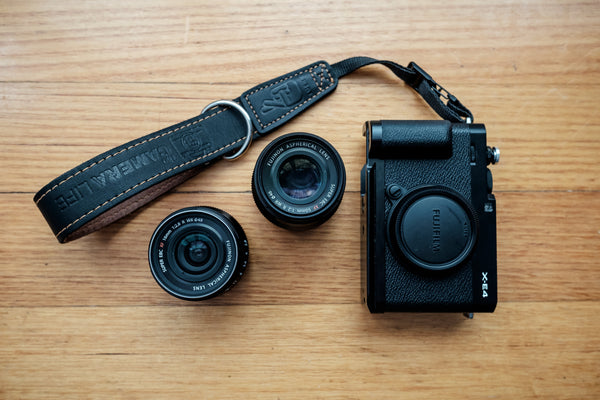
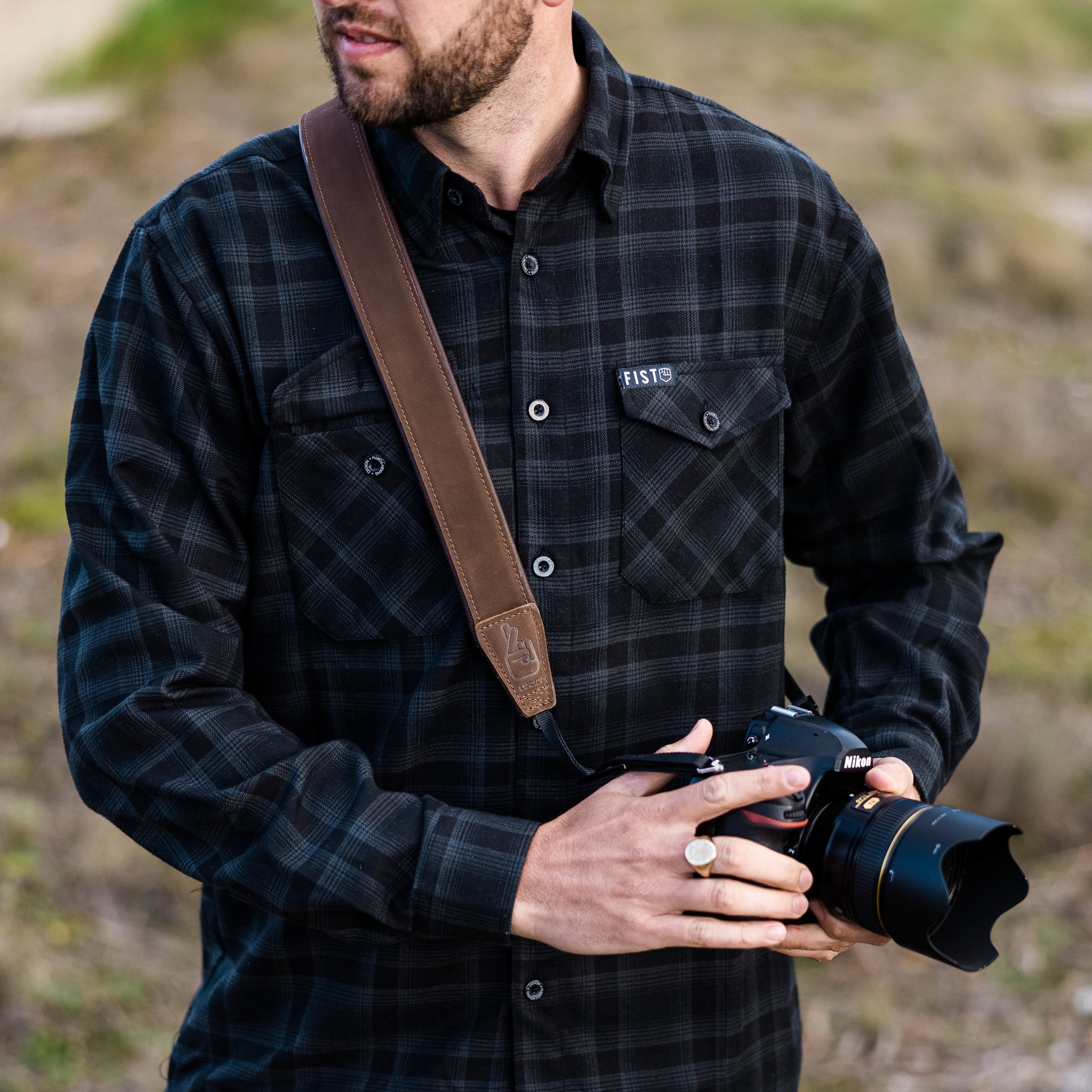
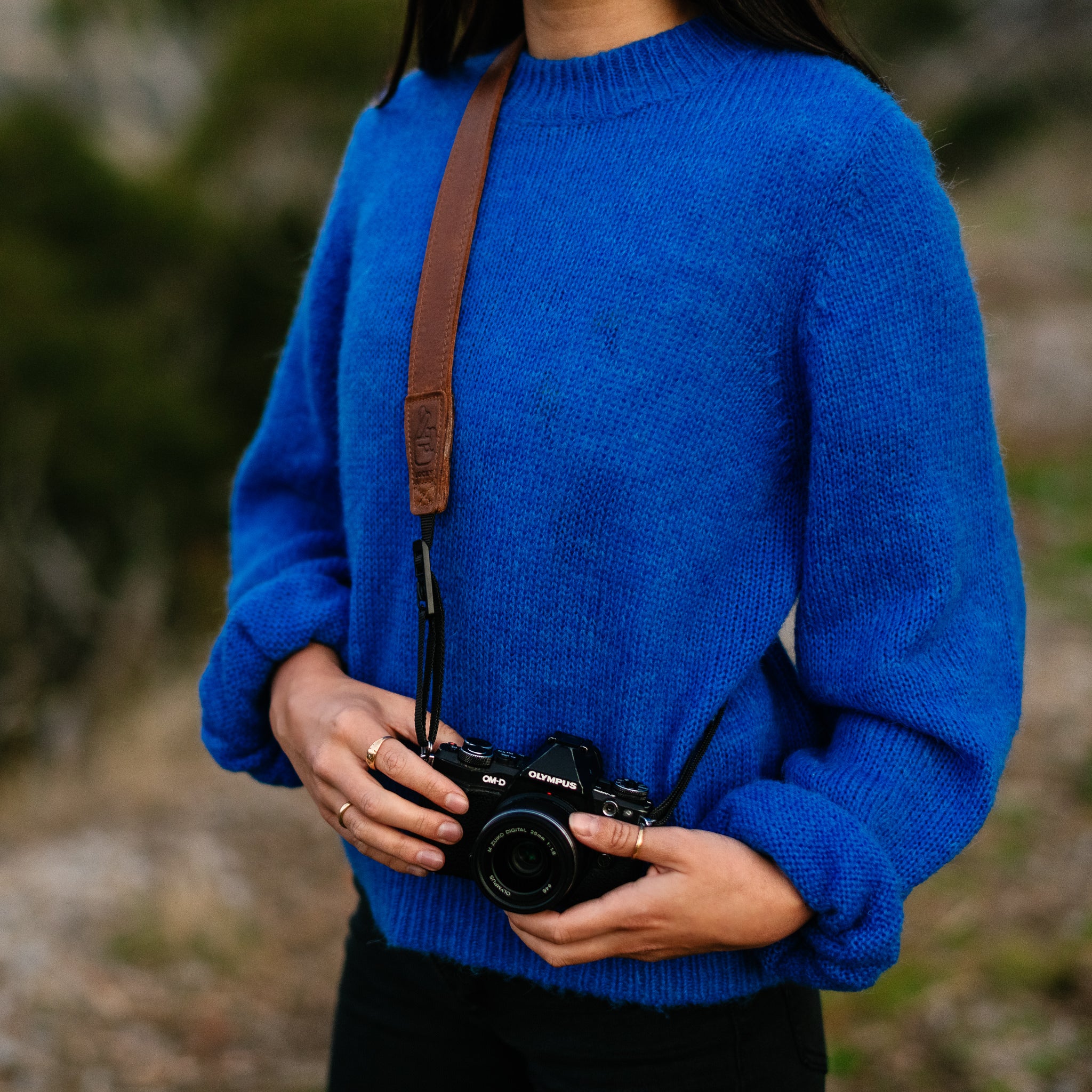
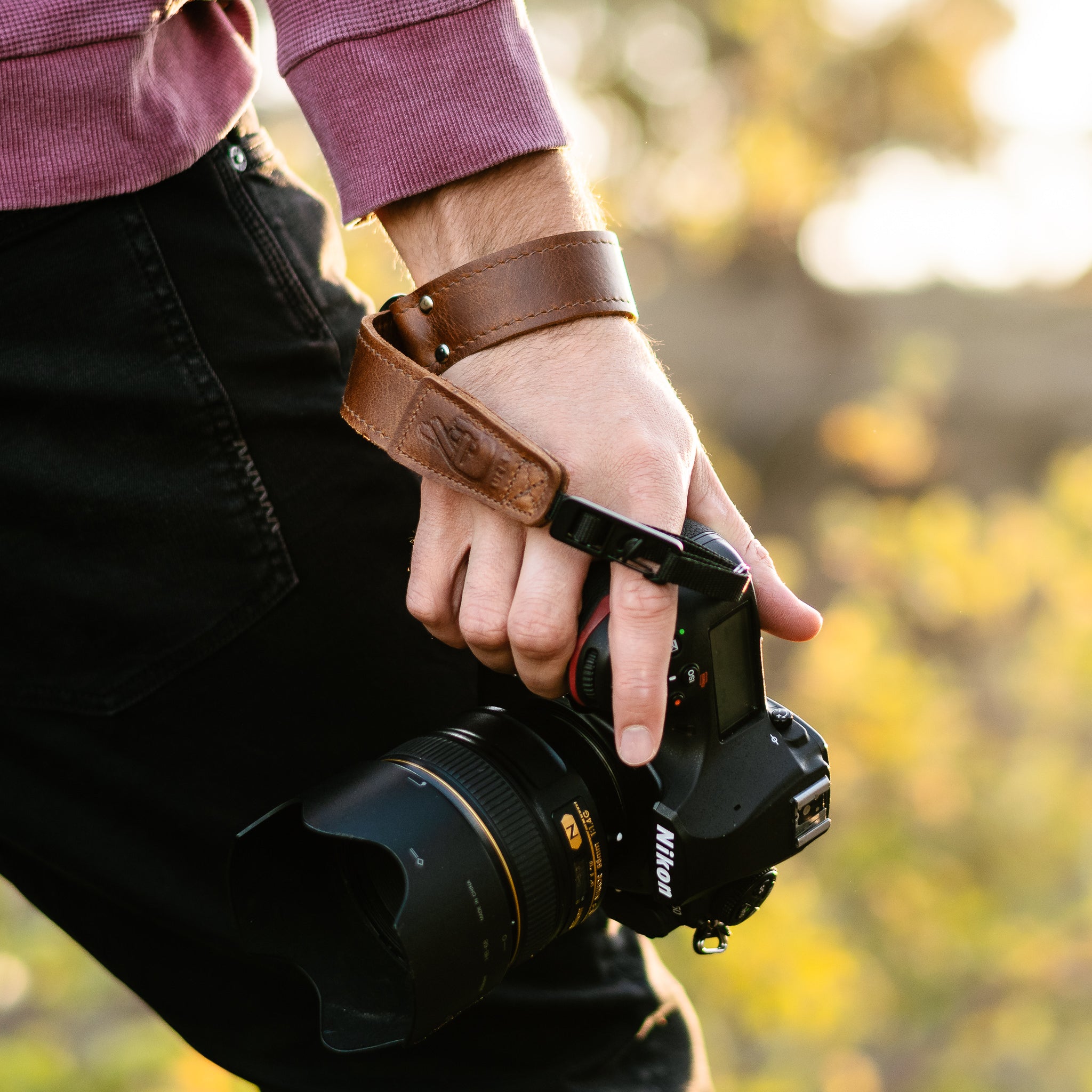

This article is a companion piece to "The Most Important Lesson for Photographers" featuring David duChemin on The Camera Life podcast. Listen to the full episode on Apple Podcasts or Spotify (Episode 147).
All images supplied by David duChemin www.davidduchemin.com
In an era where camera manufacturers release new models annually and social media algorithms reward conformity, photographer David duChemin offers something increasingly rare: a reminder that the most powerful photographs emerge not from technical perfection or expensive equipment, but from authentic human experience and the courage to be genuinely yourself.
David has spent decades photographing in some of the world's most challenging environments, from humanitarian crises to remote wilderness. Through it all, he's developed a philosophy that prioritizes connection, creativity, and personal vision over gear acquisition and viral metrics. Here are the essential lessons every photographer needs to hear.
Lesson 1: Stop Touching Your Gear and Make Something
"If your obsession is your tools, I'm sorry, this is like artistic masturbation. At a certain point..." (02:06:55)
DuChemin doesn't mince words when it comes to gear obsession. In a culture where photographers proudly display their camera brand in their Instagram bios and debate sensor sizes for hours online, he delivers a blunt reality check: your equipment is not your art.
The photographer who spends more time reading camera reviews than actually photographing, who upgrades bodies every cycle chasing marginal improvements, who can recite megapixel counts but struggles to articulate what their work means, has missed the point. The camera is a tool. A means to an end. And when the tool becomes the object of obsession, you've stopped making art and started collecting equipment.
This isn't anti-gear sentiment. DuChemin shoots with professional Sony bodies and long lenses. But he knows his camera the way a carpenter knows their hammer: well enough that it becomes invisible, allowing full attention on what actually matters. The photograph. The story. The connection with your subject. Everything else is just hardware.

Lesson 2: Resist the Pull of Homogeneity
"The overwhelming negative aspect of social media is the push towards homogeneity, a push towards sameness. It discourages individuality." (05:45)
Social media platforms, despite their promise of connection and exposure, operate on algorithms that fundamentally favour the familiar. Content that resembles already-popular work receives preferential distribution, creating invisible incentives for photographers to emulate trending styles rather than develop their own.
DuChemin warns that this systemic pressure toward homogeneity represents perhaps the greatest threat to meaningful photography in the digital age. When thousands of photographers converge on the same locations, use identical presets, and chase the same viral compositions, the result is a sea of interchangeable images that say nothing unique about the person behind the camera.
Resisting this pull requires conscious effort: curating your feed to include diverse voices, seeking inspiration outside of photography, and regularly asking whether your creative decisions reflect your authentic interests or merely algorithmic optimisation.

Lesson 3: Impact Over Scale
"Connection is not scalable... I don't think connection is scalable. I think it dilutes... I'd rather have quality over quantity. I'd rather have impact over scale." (40:00)
In a culture obsessed with metrics, DuChemin offers a radical reframing of success. The most meaningful connections, he argues, resist quantification and mass distribution. A photograph that genuinely moves a single viewer creates more value than one that briefly captures the attention of thousands before being forgotten.
This principle extends beyond audience metrics to the creative process itself. The photographer who prioritizes depth of experience over breadth of coverage, who spends hours with a single subject rather than minutes with dozens, produces work that carries emotional weight impossible to achieve through superficial engagement.
Impact, unlike scale, cannot be forced or manufactured. It emerges organically when an artist's genuine encounter with their subject transmits authentically through the image to the viewer.

Lesson 4: The Camera Does Not Make the Photograph
"It's about the photograph, not about the damn camera." (01:58:00)
DuChemin delivers this lesson with characteristic directness, cutting through the endless debates about camera brands, sensor sizes, and technical specifications that consume so much of photography culture. The camera, he reminds us, is merely a tool. A means to an end, not the end itself.
The photographer's vision, understanding of light, compositional sensibility, and emotional connection to the subject infinitely outweigh any marginal improvement in sensor technology. DuChemin's reference to not worrying about skin tone reproduction because he photographs elephants and bears underscores a deeper point: technical concerns only matter in service of creative goals.
The photographer who understands what they want to express will find the tools to express it. The photographer who obsesses over equipment without clarity of vision will produce technically perfect but emotionally empty images regardless of their camera's price tag.

Lesson 5: Constraints Fuel Creativity
"Constraints always increase our creativity. They, because they give us a problem to solve instead of this limitless, 'have a camera.' But I had a guy show up in Venice one year... He had all these options, but he was paralysed." (01:03:03)
Paradoxically, limitation liberates creativity. DuChemin illustrates this principle with the story of a photographer who arrived at a workshop in Venice equipped with an overwhelming array of gear. Multiple camera bodies, lenses covering every focal length, accessories for every conceivable scenario. Despite having every tool imaginable, this photographer found himself paralysed by indecision, unable to commit to any creative choice when infinite options remained available.
In contrast, the photographer working with a single camera and one lens must engage more deeply with their environment, moving their body instead of their zoom ring, finding creative solutions to compositional challenges rather than technical fixes. Constraints, whether imposed by limited equipment, project parameters, or environmental conditions, transform photography from a technical exercise into a creative problem-solving activity. They force intentionality and often lead to more distinctive, personally expressive work than unlimited resources ever could.


Lesson 6: Seeing Is a Mental Exercise
"Seeing is a mental exercise, not an eye exercise. Just because you looked at it doesn't mean you saw it." (00:54:49)
This deceptively simple observation contains profound implications for how photographers develop their craft. The physical act of looking, directing our eyes toward a scene, is automatic and passive. True seeing, however, requires active mental engagement: recognising patterns, understanding relationships between elements, anticipating how light will transform a scene, feeling emotional resonance with a subject.
The photographer who merely looks collects images. The photographer who truly sees creates them. This distinction explains why two photographers can stand in the same location with identical equipment and produce radically different work. One captured what was there, the other perceived what could be.
Developing this mental capacity for seeing requires practice beyond the camera: studying art, understanding visual psychology, cultivating curiosity about the world, and learning to quiet the internal chatter that prevents full presence with our subjects. The eyes are merely instruments. The mind is the true organ of vision.

Lesson 7: Be Unapologetically You
"If you have impact, you will get known. And again, whether it scales or not, to what degree, different conversation. I think you need to be unapologetically you." (00:45:30)
DuChemin distills his philosophy into this powerful call to authenticity. In a creative landscape saturated with imitation, trend-chasing, and algorithmic optimisation, the most radical act available to any photographer is simply to be themselves fully and without apology.
This doesn't mean ignoring feedback or refusing to grow. It means ensuring that growth happens in the direction of your genuine interests and values rather than external expectations. Impact, DuChemin suggests, follows naturally from authenticity. When you create work that truly reflects your unique perspective and emotional truth, it resonates with viewers in ways that manufactured content never can.

The goal isn't universal appeal. That's the path to homogeneity. The goal is deep connection with those who respond to your specific vision. Being unapologetically you requires courage, especially when your work doesn't fit neatly into popular categories or when growth means leaving behind techniques and styles that once brought success. But it's the only sustainable path to creating work that matters.
David duChemin's wisdom reminds us that photography, at its core, is a human endeavour. The gear, the algorithms, the trends. All of these are secondary to the fundamental act of a person with something to say, finding a way to say it through images.
As you continue your own photographic journey, carry these lessons with you: stop fetishising your equipment, resist the pull of sameness, impact over scale, constraints as catalysts, and above all, the courage to be unapologetically yourself. The world doesn't need another copy of what's already popular. It needs your unique vision, your authentic voice, your honest work.
Watch the full interview with David duChemin on YouTube and subscribe to The Camera Life podcast on Apple Podcasts or Spotify (Episode 147) for more conversations with inspiring photographers.