


The start of a new year is an ideal opportunity to evaluate your phototherapy kit to determine if it’s time to upgrade any or all of it. While setting your photography goals for the new year, take the time to make sure you have everything you need in your current kit. If so, then that’s great - you are ready to rock! If you find gaps in your kit, and it’s no longer supporting your developing skills, it’s time to consider gear upgrades. Or, perhaps you’ve been shooting with just the included kit zoom lens, and it’s time for a fast prime or a longer telephoto lens to stretch your creative muscles. If you are a beginner or enthusiast, and your camera is less than 2 years old, I wouldn’t recommend upgrading that camera unless you find it underperforming and holding you back. I recall a conversation we had on The Camera Life Podcast about upgrading lenses. Someone said it’s always better to invest in glass (lenses), and I agree. A faster autofocus or wider max aperture can make all the difference in your preferred genre(s). With that in mind, I will be focusing (pardon the lame pun) on everything you need to know to upgrade your lenses.
Are You Gassy?

If you’re anything like me, you’ve suffered from one of two (or both) photography illnesses. The first is GAS, and the second is FOMO. For the uninitiated, GAS stands for Gear Acquisition Syndrome, a nagging, unyielding compulsion to buy new camera gear even if you don’t need it! I’ve suffered from my own share of GAS over the years and have seen both my earlier Canon kit and more recent Fujifilm kit expand as a result. It takes great courage and mental fortitude to resist the GAS. Sometimes, though, we need to listen to the GAS and make sensible choices on when and why to upgrade our kit. As for FOMO, that stands for Fear Of Missing Out. These days, I suffer from FOMO more than I do with GAS. FOMO is, as the name suggests, an unrealistic and unsustainable desire for the latest and greatest gear despite your lack of funds. FOMO is a terrible condition, especially when you are trying to be good and not buy another lens on launch day! FOMO and lens pre-orders go hand in hand, especially if it’s a lens you’ve been hanging out for! FOMO, like an earworm, takes root in your consciousness and constantly nags you that the new Fujifilm/Canon/Nikon/Sony lens is coming soon. You don’t want to miss out on the first round of releases! Imagine having to wait for a restock!
When Is It Time To Move On From The Kit Lens?

If you’re relatively new to photography, chances are you bought a standard kit zoom lens along with your new camera. A kit lens is nothing to sneeze at! These days, kit lenses offer a flexible focal range, relatively fast autofocus performance, and additional features including weather sealing, Optical Image Stabilisation (OIS), focus mode switches, aperture rings, and more. Plus, they offer impressive optical sharpness. While this is not the case for every kit lens, it is certainly becoming easier to walk out of the camera store with a new camera/lens combo and get straight to the business of capturing great images. In most cases, a full-frame kit lens is 24-70mm or 24-100mm with a slow aperture and a few bells and whistles. An example of this is the full-frame Canon RF 24-105mm F4-7.1 STM Zoom. It offers a flexible focal range with an extended telephoto end and good focus performance. But the aperture is slow (especially at the tele end), so it will struggle to achieve a clean depth of field or low-light performance. An upgrade to an enthusiast/pro-grade equivalent could be the Canon RF 24-105mm F4 L IS USM with its constant F4 max aperture throughout the focal range. Or, if you are looking at going all out, you could get the Canon RF 24-105mm F2.8 L IS USM Z. Keep in mind, the F2.8 is close to 10 times the price of the F4-7.1. This one will cost you close to two organs!

Knowing when to invest in new glass depends on many factors. Putting aside GAS and FOMO, you need to understand where your current lens is letting you down - if it is at all. You must ask yourself critical questions. Is the autofocus too slow for the sports you are shooting? Is the max aperture impacting your ability to get clean shots in low light? Or perhaps you’ve discovered a new genre that your current kit lens just won’t support. Is the issue not with the lens but with the camera or your skillset? Of course, you also have to consider your budget, kit weight, required filters, and more. If, after asking yourself these questions, you still need to upgrade, indulge in a little GAS and get to work finding the best lens for you and your craft. It’s also important to recognise that if you don’t like shooting with zooms, it’s ok to stick with just primes.
Want To Shoot With A Fast Prime? - Do This First!

In some cases, you may need to ditch your kit zoom and opt for a fast prime lens. Prime lenses lack the flexibility of a zoom, but often make up for it with sharper images across the frame and a faster aperture. Before you spend your savings (or deplete your credit) on the first prime lens to catch your eye, you must make the best decision that will support and elevate your image-making journey. While it’s tempting to give in to the GAS and get it just because the review said it was amazing, you must temper your enthusiasm and understand what you are investing in and why. Where a zoom allows you to remain in place and ‘zoom’ to build a composition, a prime lens requires you to zoom with your feet. But how do you determine which prime lens is best for you?

If you’ve been shooting lots with your kit zoom lens, Lightroom may hold the answer! It’s pretty easy to use Lightroom to evaluate your images and determine the best prime for you. Review your Lightroom catalogue to understand your shooting style and which camera settings you used the most - mainly focal distance and aperture. If you own a 24-70mm F4 full-frame zoom and most of your images were shot at 50mm with an aperture of F4, you’re on the right track. Lightroom is telling you that you prefer to shoot at 50mm with the widest aperture possible. So, when considering your first post-kit-zoom lens, look at 50mm primes with apertures faster than F4. If you’re a Canon R shooter, there are three 50mm options available, including F1.8, F1.4, and the pro-grade F1.2. You will find similar options available for all leading brands and mounts. In most cases, a full-frame (or equivalent) 35mm or 50mm makes for a great first prime lens.
Third Party Legends!

We live in an age of photography wonder and plenty, where third-party lens makers further support most camera systems and mounts. A third-party lens is made by a company other than the camera brand manufacturer. So, for example, Tamron make lenses featuring the Fujifilm X Mount for Fujifilm cameras. These days, third-party lenses are available for almost every lens mount on the market. Sometimes a brand will release a lens with options for Fujifilm, Nikon, Sony, and even Leica mounts. What’s more, third-party lenses often feature compatible image stabilisation, autofocus performance, and data transfer between the camera and lens. I’m a Fujifilm shooter and prefer only to use native Fujifilm lenses on my cameras. Yes, I am a brand snob! But renowned, trusted brands like Sigma, Tamron, and even Zeiss offer lenses with the Fujifilm X mount. And in many cases, third-party enthusiast/pro lenses deliver near-identical performance and image quality - often at a more affordable price. In some cases, the third-party lens is better than the equivalent brand lens. At the very least, a third-party lens option may cover a better focal range or offer a better max aperture than the first-party offering.
Try Before You Buy

Even if you intend to buy your new lens or camera from a reputable seller, you should try the gear before you buy. But before we even get to that point, it’s essential to do your homework thoroughly. Rather than watch the popular PetaPixel pre-production review of gear, check out some YouTube reviews from enthusiasts and pros who have used the gear over several months. Long-term use reviews tend to reveal the little quirks and character that earlier reviews miss. Watching and reading reviews is one thing, but if you want a frank opinion, talk to your photography mates or community to get their thoughts. If you’re a member of a camera club or a Facebook group, make a post asking how people are finding the lens that you are considering. Attend your camera club meets and check out who is using what and why. Perhaps you can agree to borrow the lens for a weekend. Talk to your network and community to gain as much insight as necessary. Depending on your relationship with your local camera store, you may be able to loan gear or, at the very least, step outside to test the new lens. It’s a great way to get a feel for the optics. Other options include finding a camera gear rental company that you can rent the lens for a period of time to test it. Alternatively, attend events such as Fujifilm’s Creator Summits or the hugely popular Bright Festival of Photography (BFOP) and borrow a lens for the day.
Second Hand Versus New

Second-hand camera gear is a great budget-friendly way to build out your lens kit, without using the kid’s college fund or selling an organ. There are pros and cons to buying gear new or used. New gear is expensive, especially if you are stepping up from the kit Fujifilm XF16-50mm F2.8-4.8 (Approx. $1,200 AUD) to the pro-grade XF 16-55mm F2.8 II zoom (Approx. $2,200 AUD). The benefits of new gear include stronger buyer protection through reputable retailers, warranties, and consumer protection laws. As for second-hand gear, the reduced cost is incredibly attractive but comes with risks. Second-hand lenses bought from e-commerce sites like eBay and Marketplace are cheaper, but you don’t have anywhere near the same level of protection. For one, you are relying on the seller's word about the lens’s condition and performance. If I ever buy gear from eBay, I always opt for a local Australian seller with high ratings and conclusive feedback. Often, such sellers make a living from buying and selling camera gear and are unlikely to degrade their business reputation through dodgy sales practices. Do your due diligence and be careful.
Hidden Costs

While you must work within a budget, there are a few hidden costs to upgrading your lens or lenses. Regardless of whether you buy a lens new or pre-owned, you will be handing over a considerable amount of your hard-earned cash. It’s equally important to ensure that you are buying the best lens to elevate your craft. There’s no point buying a lens that is just going to sit unused in your camera bag, or worse, gathering dust on a shelf at home. With that in mind, upgrading an existing lens can result in some unexpected cosys. Probably the most significant issue comes from using filters with your lenses. If you’ve invested in a bunch of filters for your current lens, there’s a good chance they won’t fit the new lens. For example, the Fujifilm XF 16-50mm F2.8-4.8 kit lens offers a 58mm filter thread for step-rings, Polarising, ND, and protection filters. If you upgrade to the pro-level XF 16-55mm F2.8 R LM WR II, you’ll need all new filters as it supports a 72mm filter thread. If you’re buying a pre-owned lens, there’s a chance the seller will include their filters in the deal.

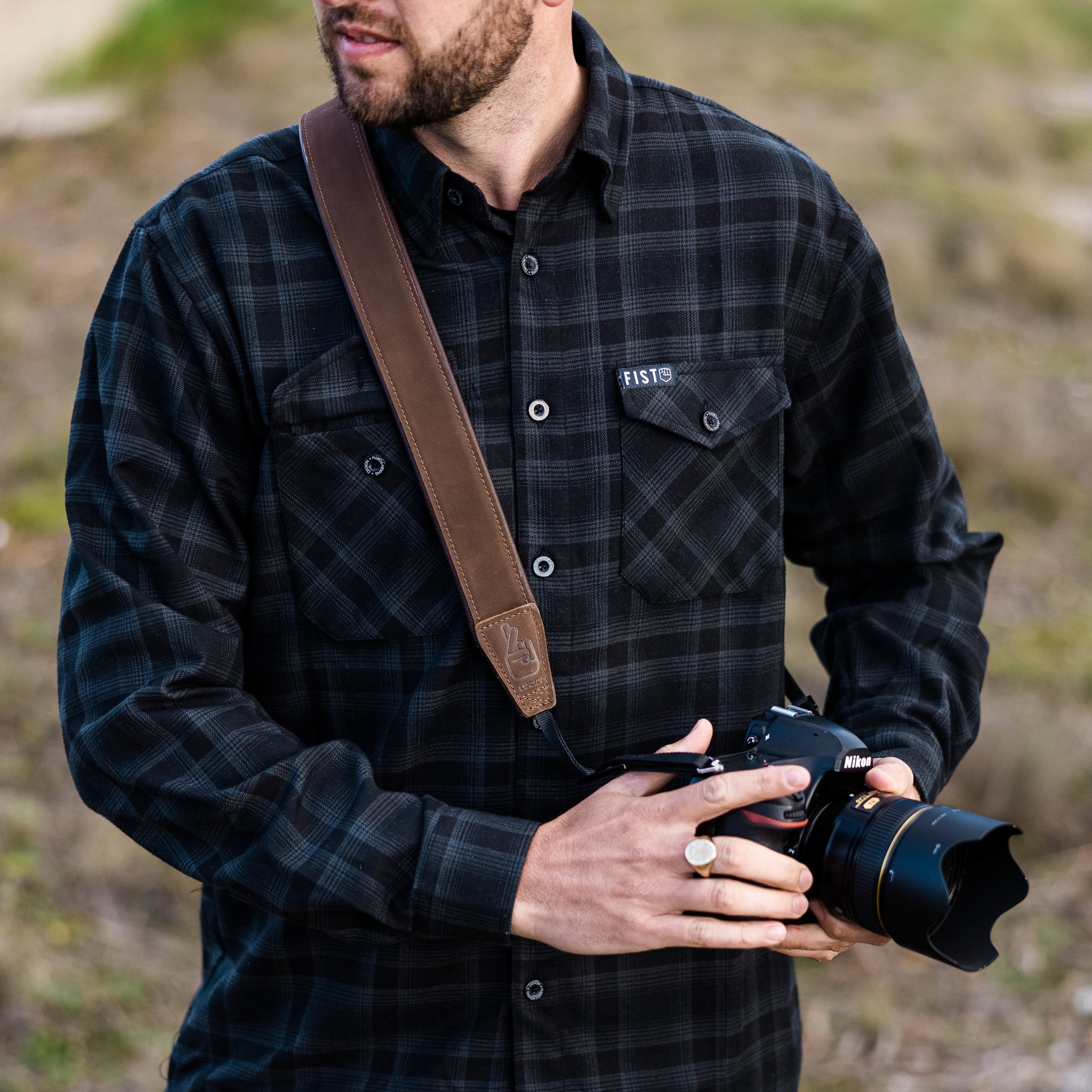
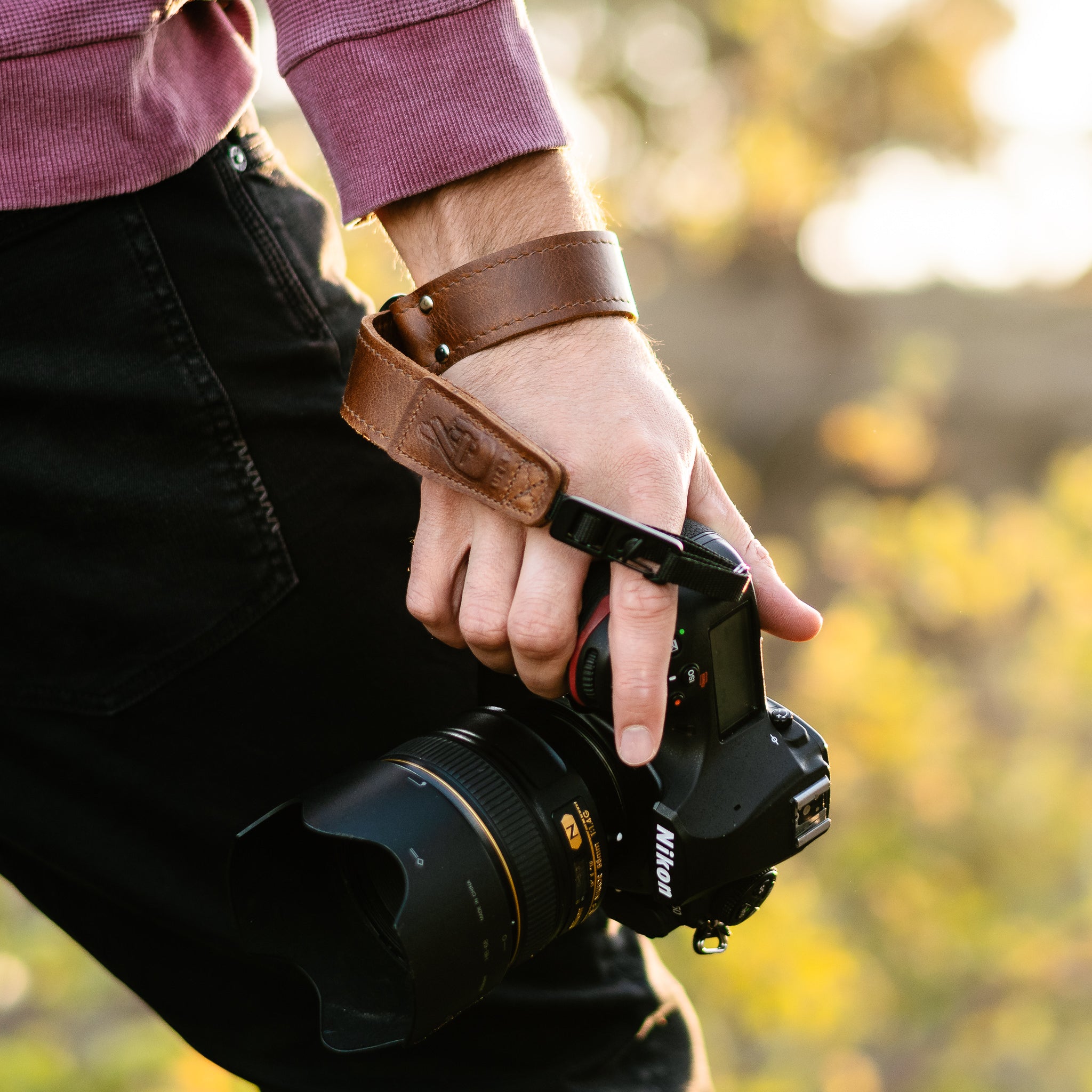
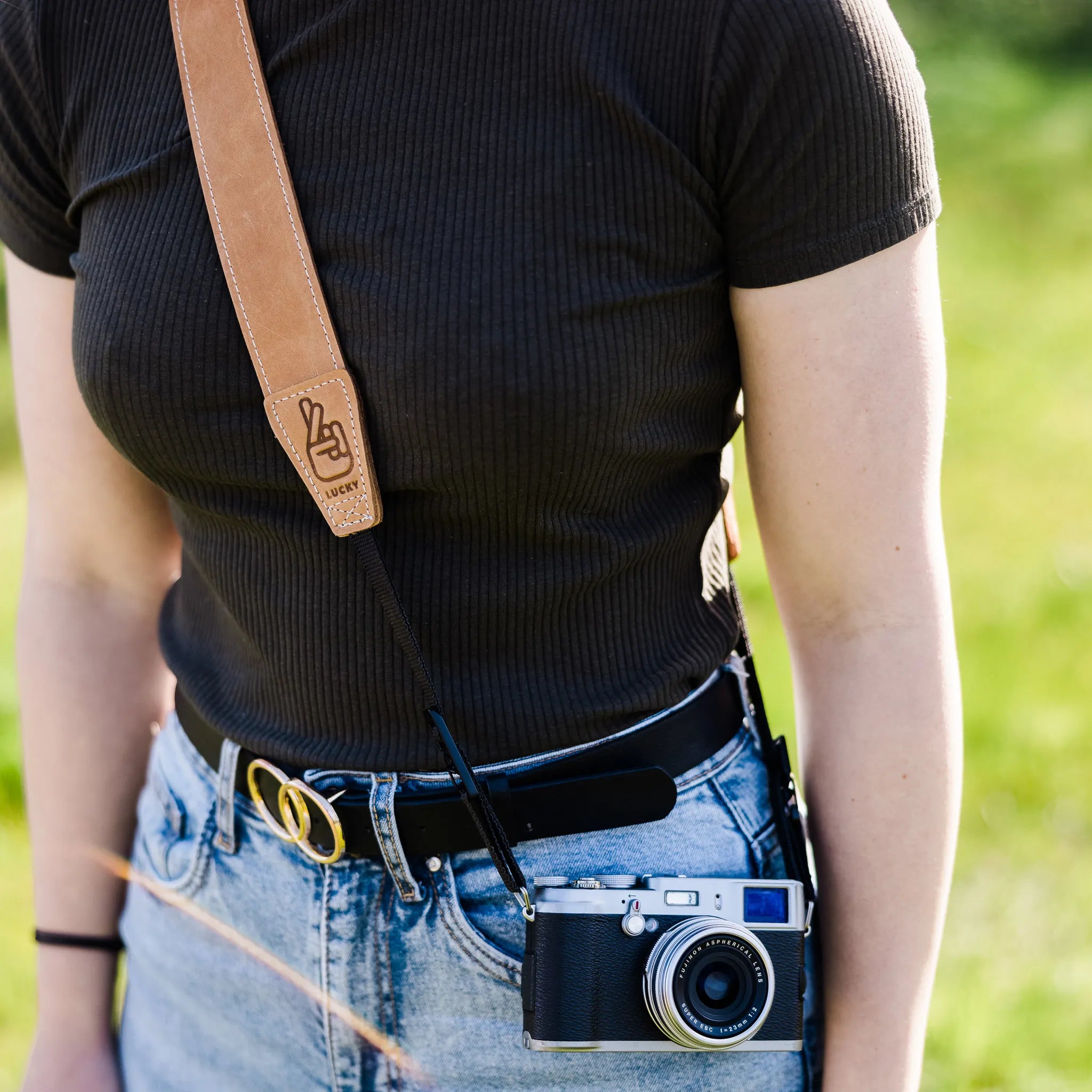
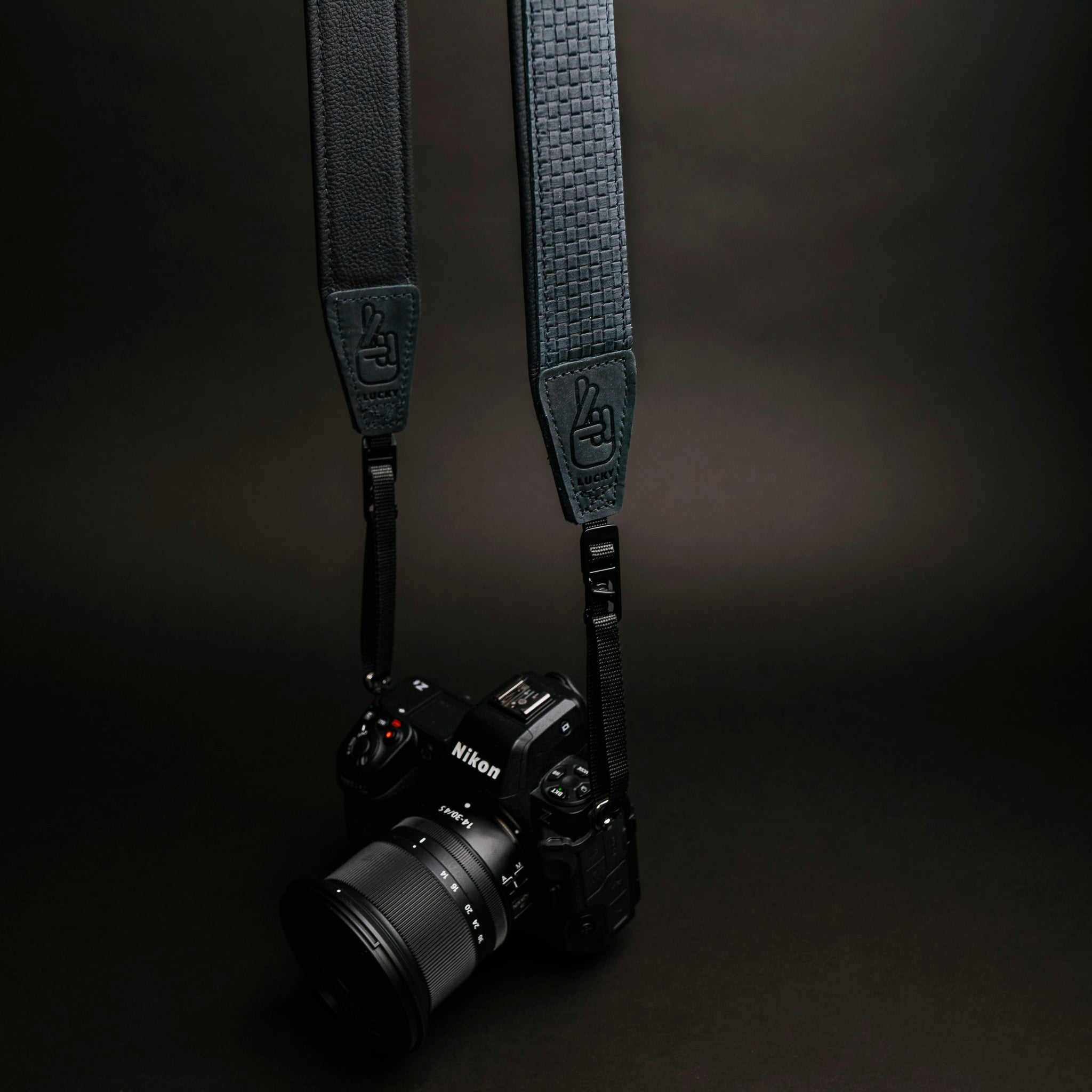
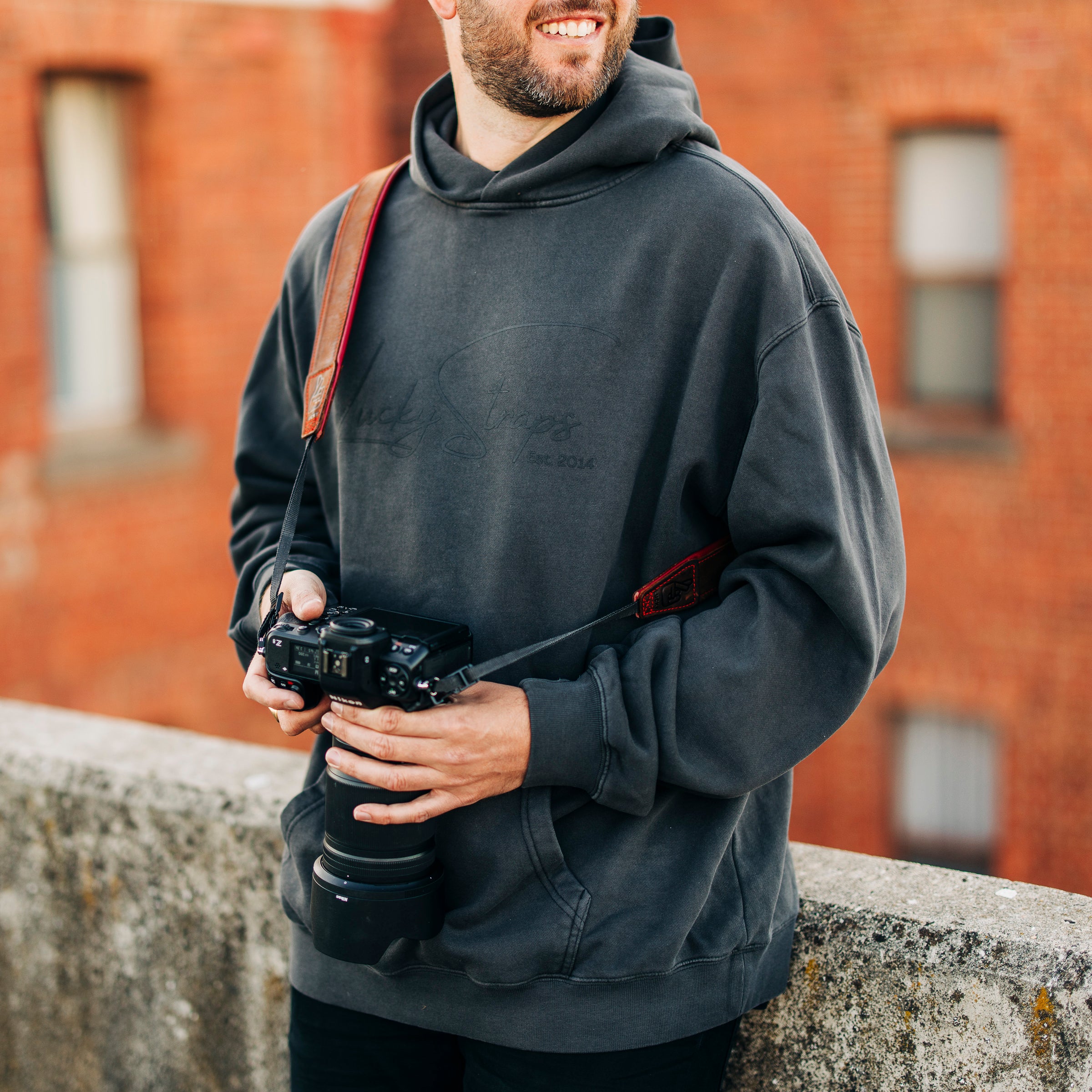
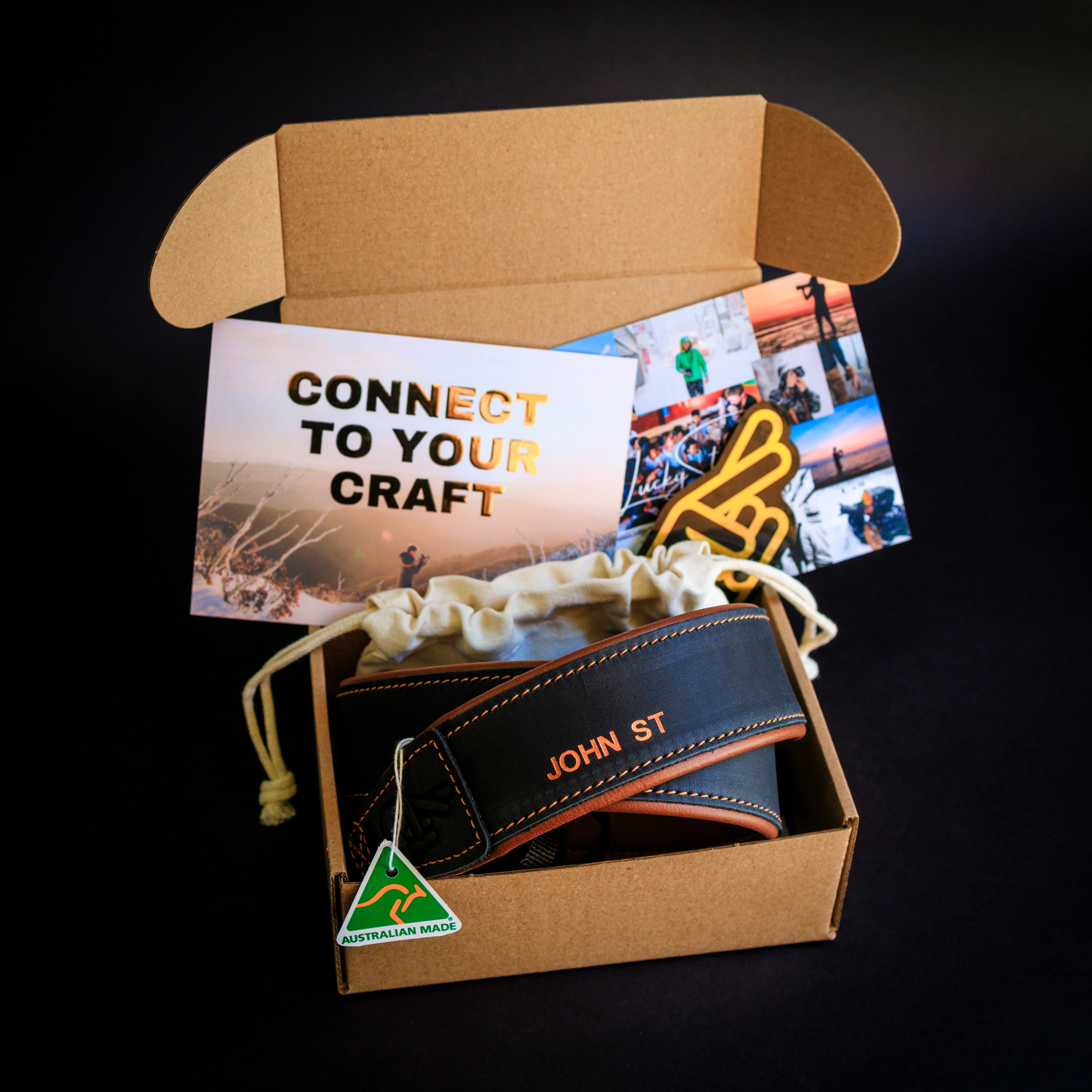
If you are upgrading lenses from the compact and lightweight kit zoom or basic primes, chances are you’ll need to evaluate your carrying solution. Better-quality lenses are typically larger and heavier than your kit lenses. As a result, you will need to consider how you store and carry your upgraded kit. You may require a larger camera bag or, at the very least, one that offers greater ergonomic support. If you’ve invested in new glass, you need to invest a little more to look after it. As for a camera strap, the crappy strap that came with the camera won’t provide essential comfort and support with bigger gear. You’ll need to upgrade your camera strap for ultimate comfort, support and security. Be sure to check out the comprehensive range of Lucky Straps, leather camera straps for the best fit for your upgraded kit. I’ve recently upgraded my kit and have fitted it with the Lucky Straps Slim 30. Read more about that update here.
Final Thoughts

Buying a new lens for your photography kit is an exciting time. While you will be feeding the GAS and FOMO demons, you’ll also feed your creative spirit and capacity to capture fantastic images that you love. I guess my final bit of advice is that while a new lens opens up possibilities, it can’t make you a better photographer. A new lens is just another tool in the kit. A builder buys a better hammer not to make him a better builder, but to improve his accuracy, efficiency, and comfort. The core skills exist not within the hammer, but within the craftsperson wielding it. Photography is no different. Regardless of whether you are rocking your OG kit lens or have upgraded to a complete pro kit, the gear is there to support you as you hunt light, build compositions, and take images that you are proud of. Upgrading to the right lens allows you to explore your craft with greater confidence, and a dedicated piece of glass, like a macro or telephoto lens, expands your opportunities in a given genre. At the end of the day, I say shoot with what you have and don’t rush into a new lens purchase until you have done all you can with the glass you already own. It will make the final decision and purchase all the sweeter! G