
Jerry Ghionis was nineteen when the locks on his family home changed. The bank had repossessed the house during the recession that flattened so many Australian families in the early nineties, and Jerry knew about a window at the back that didn't lock properly from the inside. So he broke into his own house, one last time, and carried his parents' belongings out before the bank could take those too.
It isn't the story you'd expect from a photographer who went on to become a Nikon ambassador, invent two pieces of gear used across the wedding industry, and build one of Australia's largest studios out of a wall he put up inside a chicken shop. But it's the story that explains almost everything else Jerry told us in nearly three hours on The Camera Life Podcast this week.


A Chicken Shop, a Dark Room and a Fake Wall
Photography found Jerry through his older brother Nick, who had a dark room at the back of his house and let a young Jerry watch an image come up through the chemicals for the first time. Jerry has called it magic ever since. After a year of a photography course that felt, in his words, like being taught algebra when all he wanted was to learn how to take a pretty picture, he walked into a well known studio on Lygon Street in Melbourne and offered to carry bags for free. He worked there for three and a half years, the first eighteen months unpaid, and became studio manager while still in his early twenties.

It's a philosophy Jerry still preaches to anyone starting out. “If she's got a veil on, it's a bride. Crop her right here and it's a headshot. Take the veil off and it's just a girl in a gown,” he says, arguing that shooting full weddings under real time and weather constraints is the best training ground any photographer can get, better than a workshop in a single genre.
When Jerry was ready to start his own business, in the middle of the same recession that had already cost his family their home, he didn't have capital for a proper studio. His brothers had opened a charcoal chicken takeaway shop in Fairfield, in Melbourne's north, and Jerry asked if he could build a wall inside their storeroom for a hundred dollars a week. That first year behind the chicken shop, he shot twenty five weddings. The year after, fifty. The year after that, a hundred. Eventually he talked the landlord into adding a second storey, and what began as a plasterboard wall next to a fryer became Photo Forte, and later Excite, one of the country's biggest wedding studios of its era.


Reinventing Himself in the California Sun
Jerry's biggest photographic hero was Herb Ritts, and it had always been a dream to shoot in the same bright Californian light. When work started taking him to America ten times a year for teaching and shooting gigs, he ran the numbers on hotel bills and realised it would be cheaper to simply live there. He moved to Beverly Hills, then converted the rooftop of a five storey apartment building into a makeshift studio, plastering the walls himself.
By 2016, burnt out from a relentless schedule of weddings and workshops, Jerry blocked out two full months with no bookings and used the time to shoot purely for himself. That period produced a body of fashion and portrait work that won him the Australian Fashion Photographer of the Year, his first award outside the wedding category, and opened doors into commercial and editorial work that has kept expanding ever since.


Collections, Not Packages
Business runs just as deep in Jerry's story as creativity. Early in his career he noticed something small: calling his price tiers packages implied completion, that a client had everything they needed and nothing left to add. He started calling them collections instead, because a collection is something you keep building. He also found, purely by testing it across hundreds of weddings, that moving his album order appointments from evening to daytime lifted sales by ten to twenty percent, simply because clients make warmer, less guarded decisions before a full day of work and traffic weighs on them. Small changes, tested relentlessly, are a through line of Jerry's whole business career.


The Speakeasy He Built for Dita Von Teese
The project Jerry is proudest of didn't come from a client brief at all. He spent a year building up the nerve to ask burlesque icon Dita Von Teese if he could photograph her show several times, purely to create something personal. What he eventually built was a hand made, corset shaped album housed in a velvet slip case with her initials on the lid, topped with a lenticular print that shifts as you tilt it, and finished with an app that plays eight-millimetre-style footage when you scan certain photographs with your phone.
“This project is probably still the most beautiful thing I've ever created,” Jerry told us. “She happened to be the beneficiary of my obsession with the creative process.” Dita herself reportedly told him she would cherish it until the day she dies. Jerry is now hoping to refine the concept into a limited run of a hundred, though characteristically, he says he already won the moment he finished making it.

Rebuilding the Oscars of Photography
Jerry's competitive streak runs through the whole conversation. He entered his first Australian Institute of Professional Photography awards in 1999 and became, in his words, addicted to committing to a standard every year and proving he could meet it. That same instinct led him and his wife Melissa to run WPPI's print competition in Las Vegas for a decade, unpaid, before the organisation cancelled the competition altogether roughly four years ago because of the cost of running it.
Rather than let it disappear, Jerry and Melissa built the Icon Awards from scratch, moving the whole process digital-first, adding public critiques that anyone can watch for a few dollars, and keeping the physical judging and awards night running at WPPI. “I needed a company that could outlast the organisation,” he said. “This became my business, not because it makes a crazy amount of money, but because I don't have to ask anyone.”

Eat the Chips
Ask Jerry for his single piece of advice, and he won't give you a technical tip. He'll tell you that creators are never short of ideas, the challenge is committing to one, and that inspiration without execution is like unexpressed love the world never gets to see. He talks about setting aside the first Sunday of every month purely to shoot something for fun, about eating the chips and enjoying every bite instead of punishing yourself for wanting them, and about protecting peace of mind the same way he and Melissa protect their four o'clock finish time.
Thirty-three years into a career that has run through recessions, a global pandemic, and now the rise of AI, Jerry's closing line summed up the whole conversation better than we could. “You don't have to be the best,” he said. “You simply have to be better than last week.”


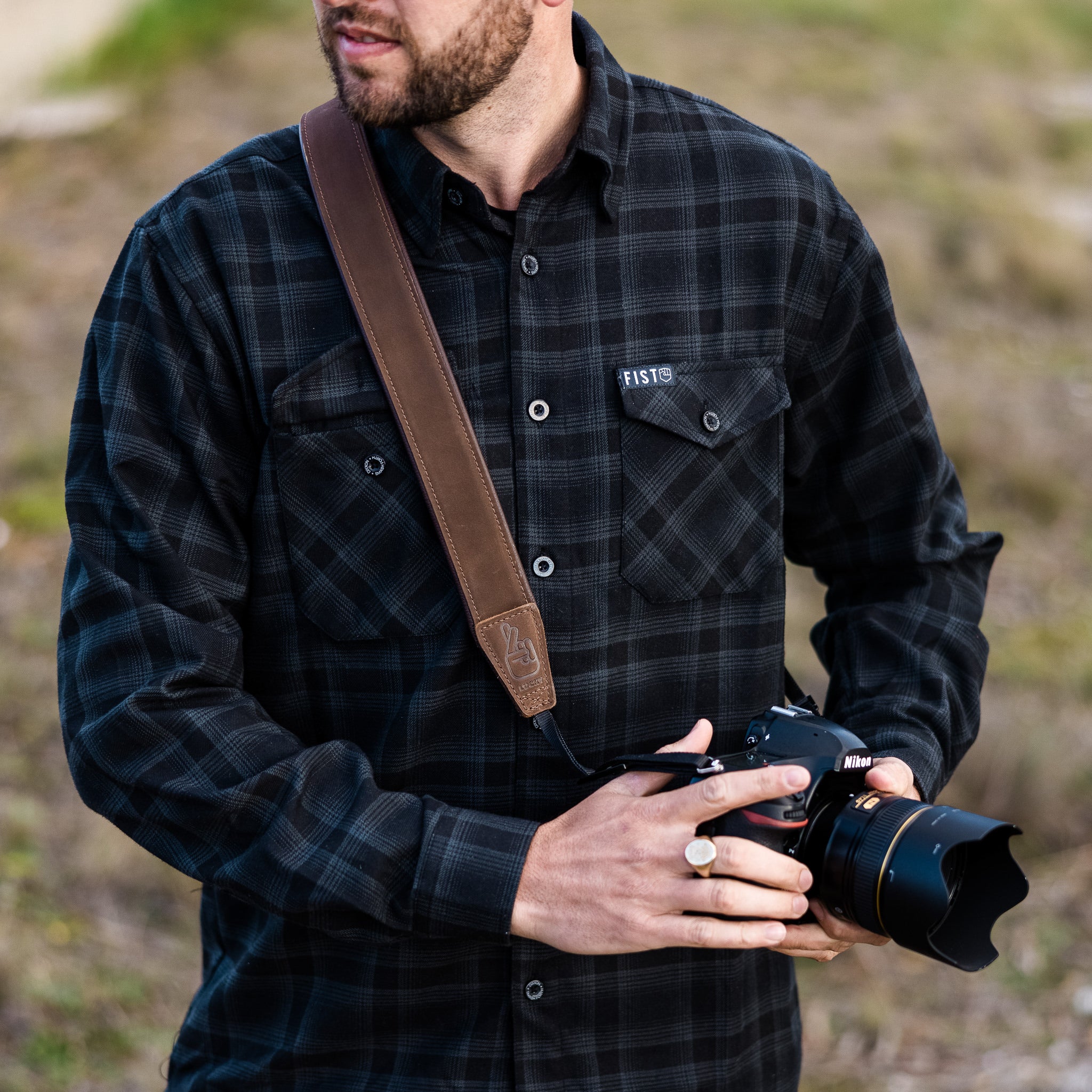
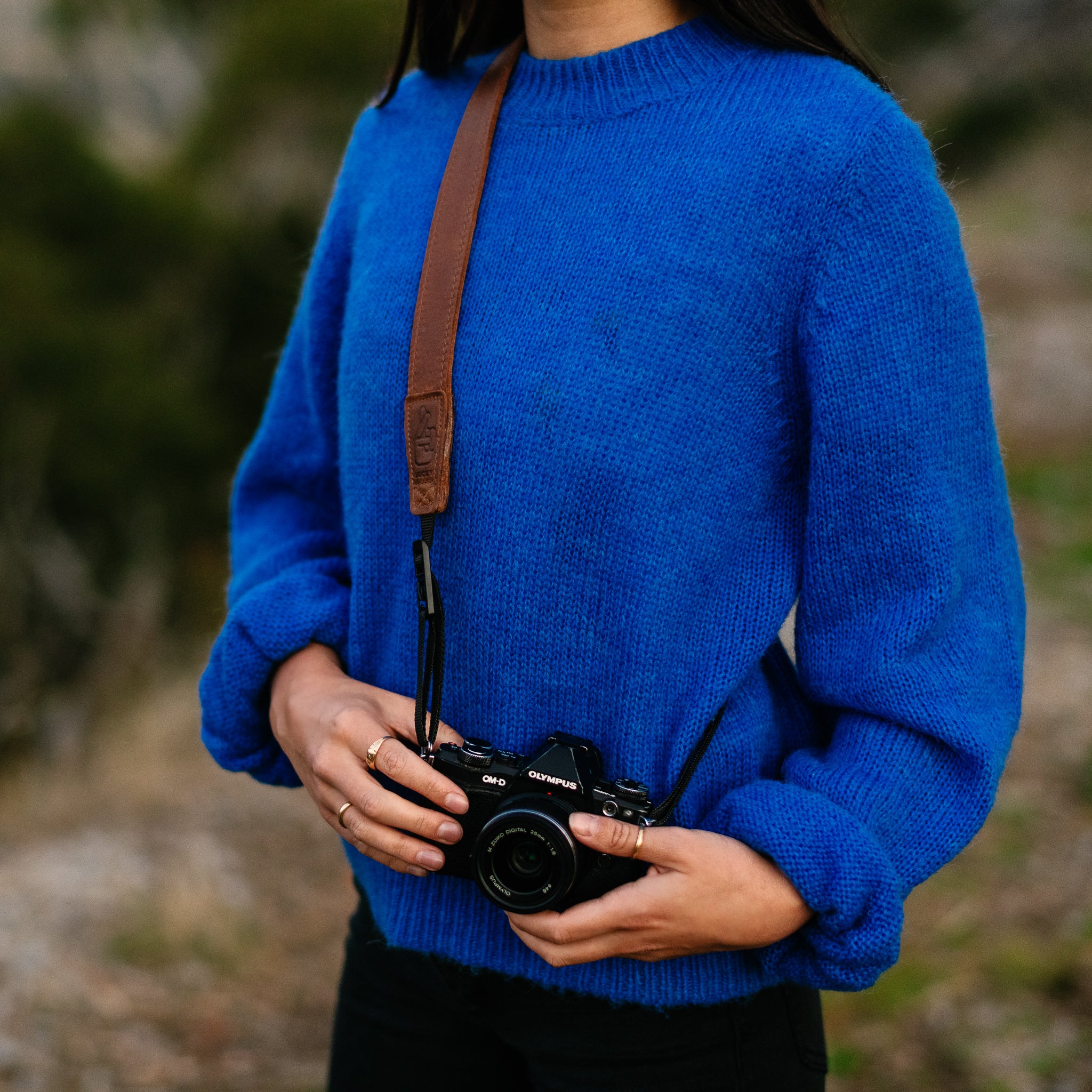
You can hear the full conversation, including the story behind the Ice Light, Jerry's five-step formula for every photograph, and his very specific rules for cropping a face, on The Camera Life Podcast now. This episode, like every episode, comes to you thanks to our sponsor Lucky Straps, handmade leather camera straps designed and built in Australia by photographers, for photographers.