
There's a moment early in our chat with Hashem McAdam where he mentions, almost in passing, that he used to nick his dad's Nikon as a teenager, load it with a roll of film bought from Coles (an Aussie supermarket chain), and ride around his Perth, Western Australia neighbourhood pretending to be a spy. He wasn't particularly good at it, by his own admission. He just liked how it felt to take a photo and look at it later. Three decades on, that feeling hasn't really left him. It's just found better cameras, and a lot further to travel.
A Teenager, a Stolen Nikon and a Roll of Film from Coles
Hashem's first camera was never really his. It was his dad's, borrowed without asking, loaded with whatever film he could afford as a kid in the late nineties. When digital arrived in the early 2000s, he moved with it, picking up a cheap Kodak EasyShare at TAFE and shooting flowers, friends, whatever was in front of him.
He's honest that there was no particular talent on display in those years. "I wasn't talented," he told us. "I wasn't like naturally skilled or gifted or learnt darkroom or anything like that." A photography unit in his multimedia degree gave him some language for what he was doing, but film itself drifted out of his life for the best part of a decade. Everyone around him was embracing digital, and, as he put it, it seemed like film was just gone.

Falling for Film All Over Again
Film came back to him almost by accident, while he was working the counter at Michael's Camera in Melbourne. Somewhere around 2011, he caught what he calls the bug: cameras he never knew existed, film shipped from B&H for a few dollars a roll while the Australian dollar was strong against the US, a whole world that had been hiding in plain sight.
"I fell in love with film," he told us. "Not necessarily all over again, but almost like it was for the first time, because now I knew about photography. I had this background that I discovered film for its full value around that time." He was already shooting digital professionally by then, second-shooting weddings and corporate gigs, and he could feel how repetitive that work was starting to become. Film gave the whole thing its texture back.


The Leica MA and the Discipline of Zone Focusing
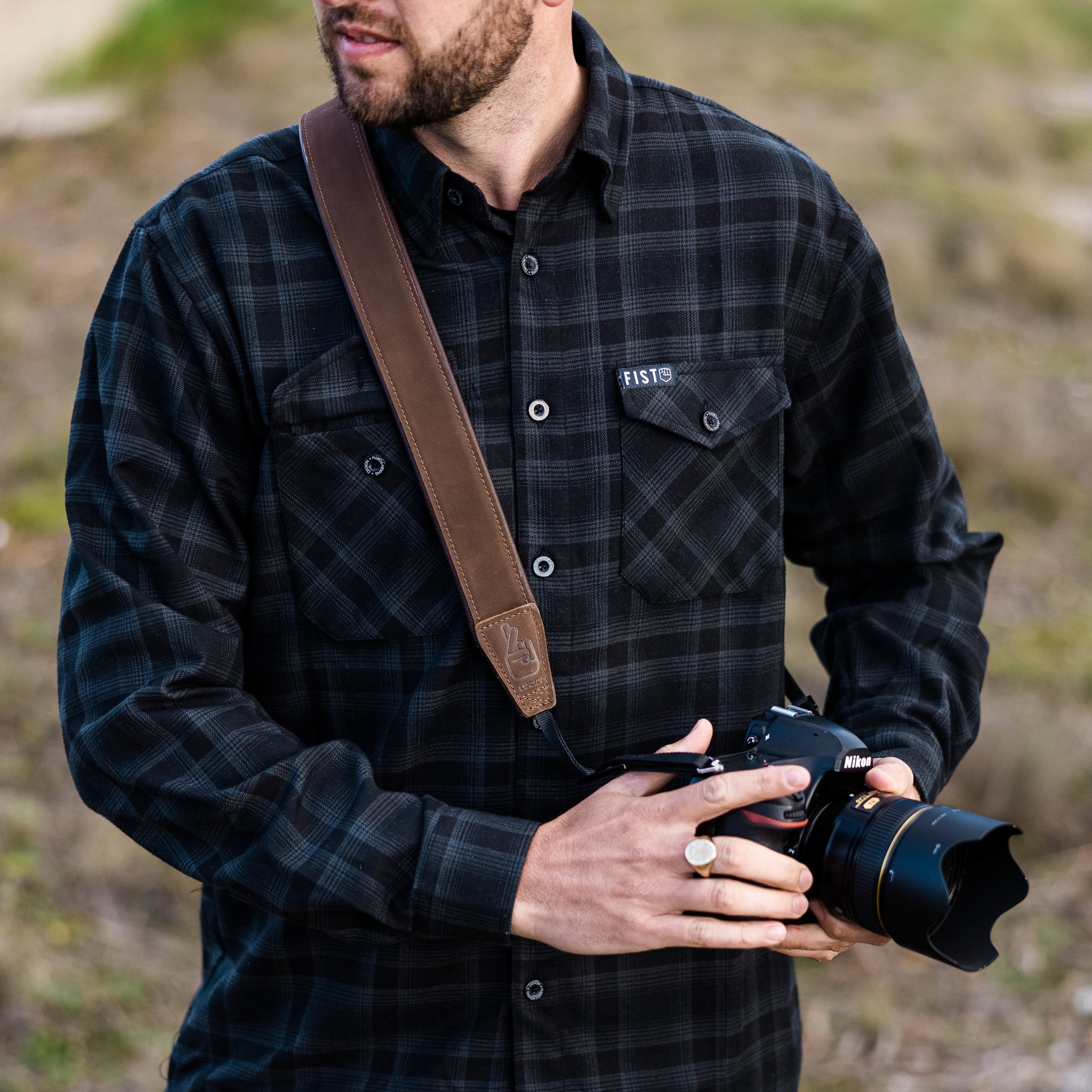
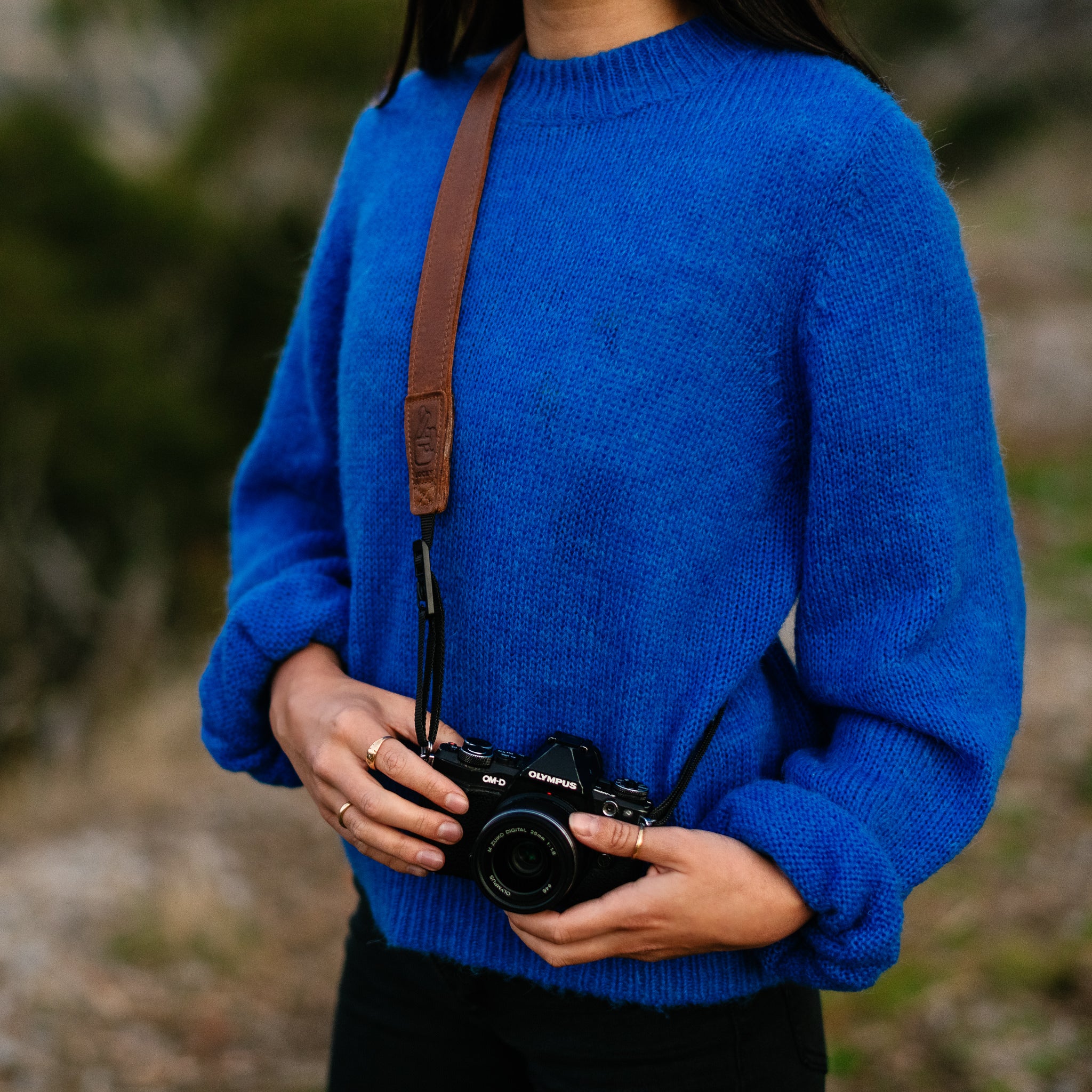
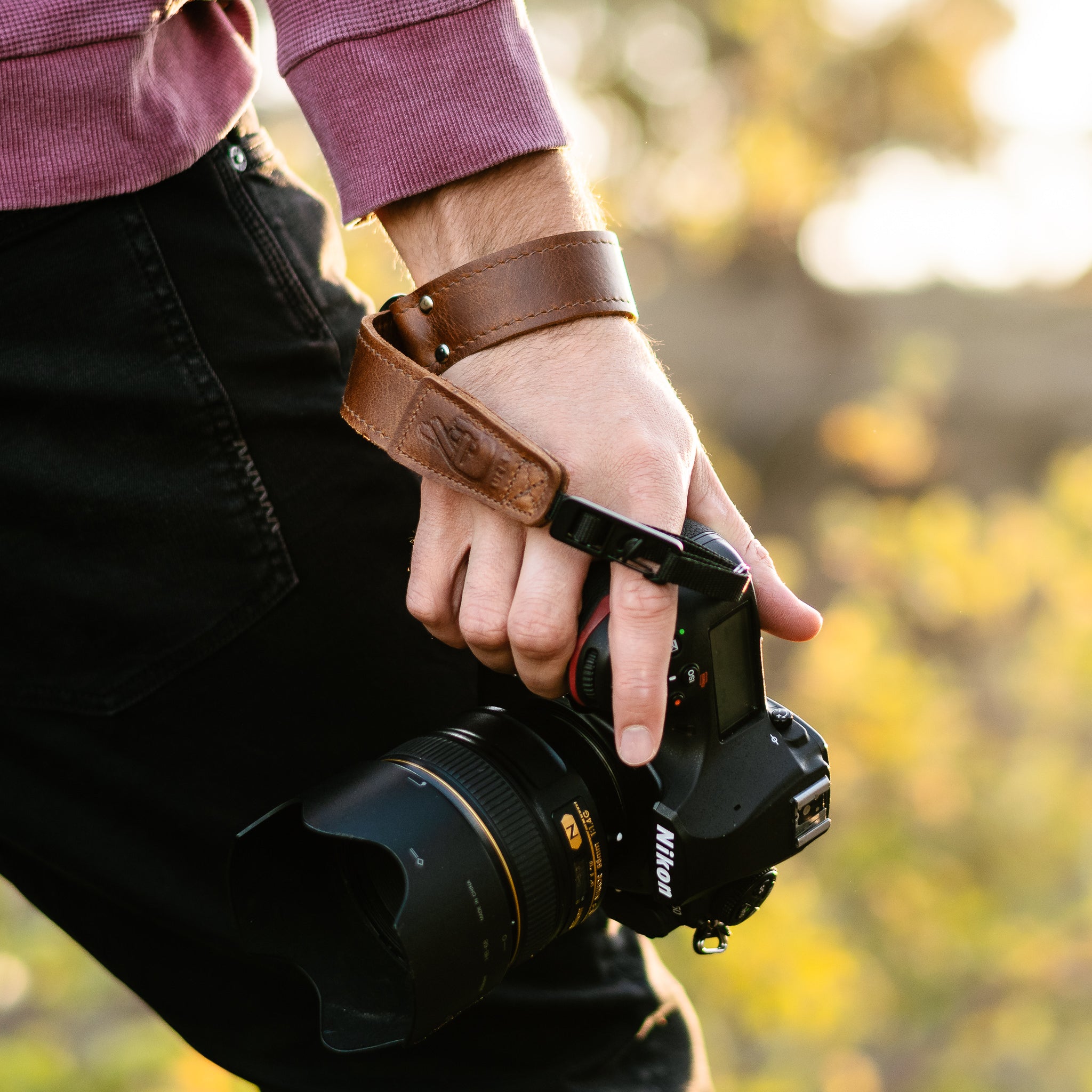
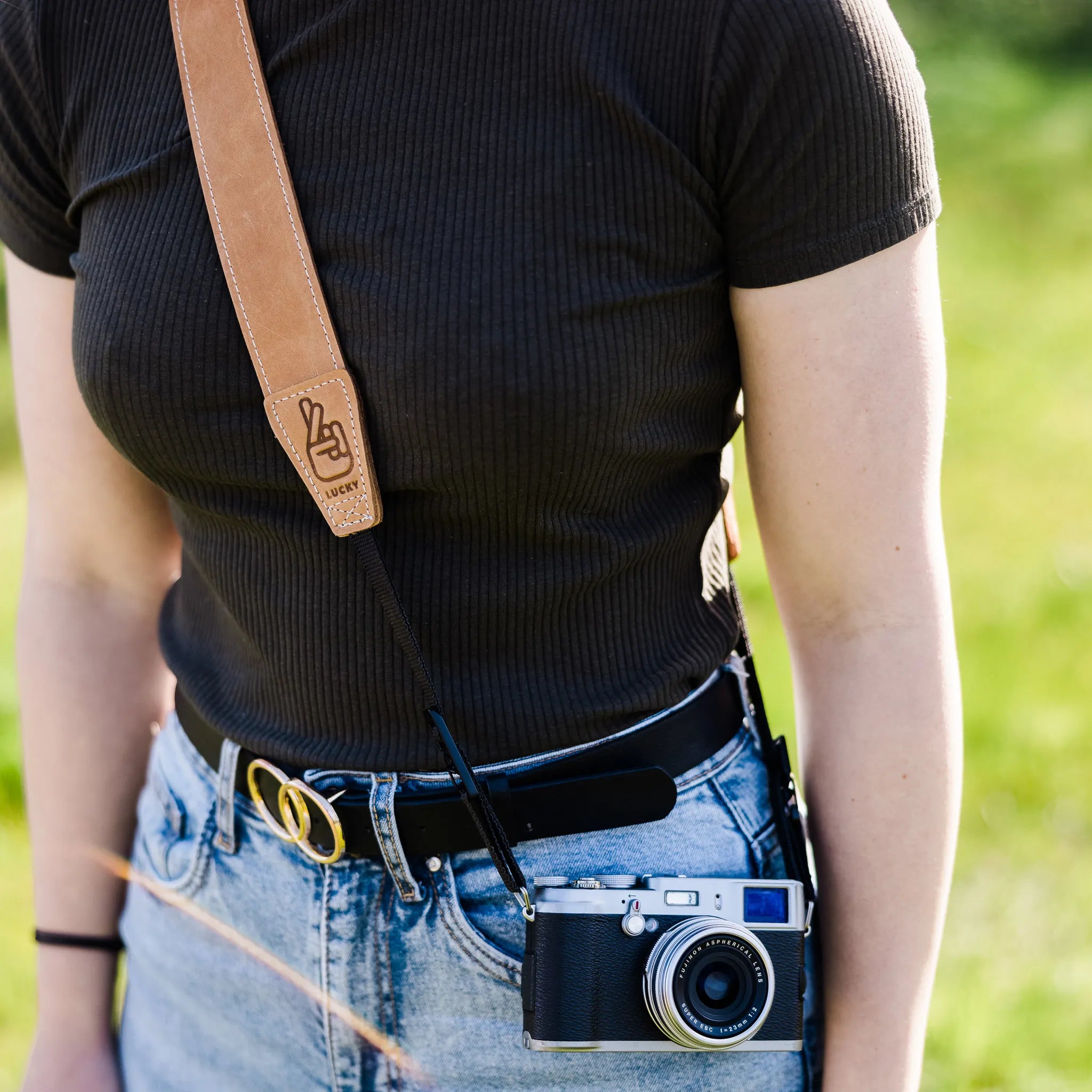
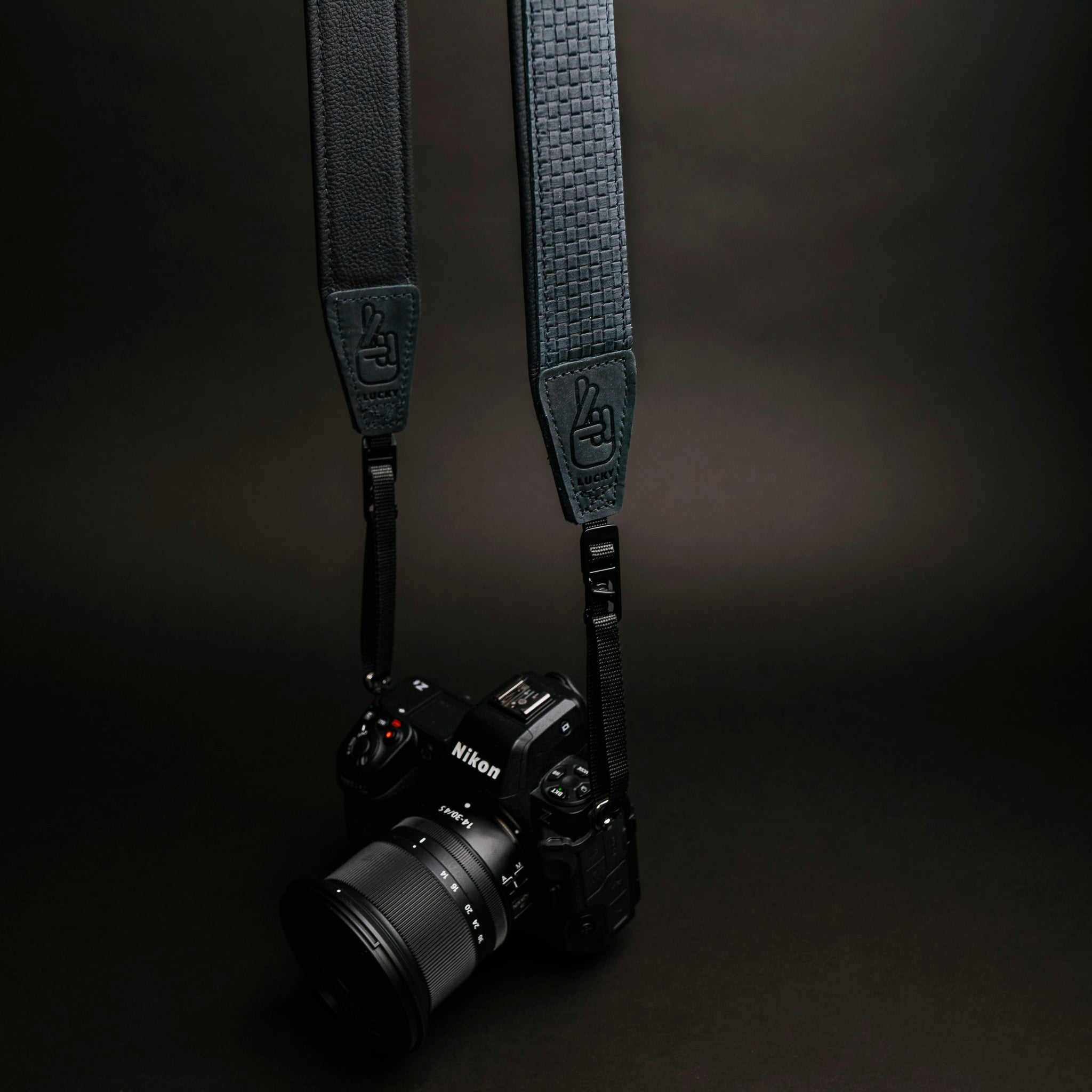
Ask Hashem what he actually shoots day to day, and the answer is refreshingly straightforward. A Leica MA, which he's carried since 2020, is his main camera for travel, street and personal work, loaded almost exclusively with black and white. He moved to it from an M4 mainly to get 28mm frame lines, and he'll tell you the switch had nothing to do with collectability. For medium format, he reaches for a Pentax 645N, and at the time we spoke he had a borrowed Mamiya 6 doing the rounds, fittingly wearing a Lucky Straps leather strap.
What keeps him using the Leica isn't the lenses, and he's upfront that this is close to sacrilege among some Leica owners. "The thing about Leica M's for me is not the lenses, it's the experience, the way they work," he said. "It just removes all barriers. It allows you to shoot in a completely manual way, and my frame lines, I already have them in my eyes before I even raise the viewfinder." That's zone focusing in practice: pre-metering, pre-focusing, and reacting to a scene before it's even fully arrived, rather than hunting for it through an autofocus system.
If you're chasing a Leica M yourself, his advice cuts through a lot of the mythology around the system. "Leicas are not for most people, they're not for everyone," he said. "It's about figuring out what feature it is that I want. I would just go with the features that suit your usage style, because at the end of the day it's just a tool. It's a tool to do a job."


Tripoli, and Being Mistaken for the Council
Earlier this year, Hashem spent time shooting in Lebanon, where he has family and speaks the language, advantages he doesn't take for granted. "I have a connection there, and it's a bit easier for me to shoot," he said, though he's quick to point out that respect and comfort still vary city to city, shaped by how much tourism a place sees and by political sensitivities that aren't always obvious to an outsider.
In Tripoli, shooting almost daily, he had a shopkeeper rush at him, convinced he'd been photographed without consent, even though the man wasn't in the frame at all. Hashem was shooting film, so he couldn't simply turn the camera around and prove it. What defused the situation wasn't an argument about his right to shoot in public. It was staying calm and explaining himself plainly. The man, it turned out, wasn't worried about vanity. He wanted to know if Hashem was from the council, there to document some compliance issue with his shopfront.
That instinct, to lead with calm and curiosity rather than a defence of his rights, runs through everything Hashem told us about photographing strangers. "The more I felt at ease with myself," he said, "the more I started to see that this person isn't necessarily interpreting this the wrong way. And if they are, maybe there's something I can do to counteract that in my approach." His advice for anyone shooting street photography overseas is practical rather than lofty: do the homework first. "Research the place you're going to. What is the culture like there? How do they feel about it? What stories did they tell about people's reactions to being photographed?"


A Black and White Series, Built One Six-by-Four at a Time
Hashem is slowly assembling a black-and-white street photography book, and the way he's building it says a lot about how seriously he takes the work. One Melbourne shot he's particularly fond of, two kids on a stairwell, reminded him only in hindsight of Sergio Larrain's photographs of children on the stairs of Valparaíso in Chile. "There's familiarity, there's nostalgia, there's an emotional connection," he said, "and there's just the simplicity of geometric shapes, layers and whatever."
Before anything makes the book, he prints six-by-four copies and hands them to four or five friends, some photographers, some not, and asks what stands out to them. "It helps me build an understanding of the point of view outside of my own," he said. Instagram, in his world, is a sketchbook rather than a finished portfolio, a place to test how images sit next to each other rather than a shopfront. That's also where a looser colour project is taking shape, threading together frames from Lebanon, Greece, Turkey and Italy around a shared Mediterranean light and mood. He's still working out how to define.

The Channel That Grew Out of All of It
Somewhere in the middle of all this, almost as a side effect, Hashem also built Pushing Film, a YouTube channel he started in 2016 over coffee with a mate, with no real plan beyond talking about a subject they loved. It's now sitting at over 70,000 subscribers. He's the first to say the channel is downstream of the photography, not the other way around, and that's really the through line of everything he told us: the gear, the street work, the book project, all of it comes back to a kid on a bike with a stolen Nikon, chasing the same feeling.

Thanks to Hashem for the time and the honesty, and to Lucky Straps for keeping the lights on around here. If any of this sounds like your kind of Thursday morning, the full conversation, gear talk, Lebanon stories and all, is up now on YouTube, Apple Podcasts and Spotify.