
David duChemin has photographed humanitarian stories in Haiti and India, spirit bears in the Great Bear Rainforest and elephants in Africa, written a shelf of books on the craft, and built a teaching career around one stubborn but important idea: the camera is not the point.
He is also one of the most quotable guests we have had on the show. Here is what photographers can take from a conversation that ranged from play and fear to the old running shoes he refuses to upgrade.
Vision beats gear, every time
David's whole philosophy starts here, and he does not hedge.
“Some photographers know their cameras better than they understand photographs, and that is a crime. If you know your guitar better than you know how to write a song, you're in trouble. It's about the photograph, not about the damn camera.”

He is not anti-gear so much as anti-distraction. Technical knowledge matters, he says, but only ever in service of the picture.
“If I answer a technical question, it's going to be in service of your creativity. I'm going to first say: what do you want to do with this tool? I'm not interested in how many megapixels you have.”
Learn your gear well enough that it disappears, then point all that attention at the photograph.

The iPhone test
David has shot just about everything over the years, Pentax, Leica, Hasselblad, Canon, Nikon, Fujifilm and now a Sony A1 with a 600mm for wildlife. None of it, he insists, is what makes the picture.
“If you can't make a meaningful body of work on an iPhone, you haven't learned the craft of photography. If you truly believe that you are only as good as your gear, then you don't understand creativity, you don't understand storytelling, you don't understand composition.”

If he could have any system back tomorrow, it would be Nikon, purely on ergonomics, but he is clear that the brand on the front matters far less than the eye behind it. “We get way too hung up on the brand of our brushes,” as he puts it.

Swap should for could
His most practical tip is almost embarrassingly simple, a single change of word.
“Back off of the shoulds: what lens should I use, what shutter speed should I use, and ask yourself: what could I do here? Should directs you into a yes or a no. Could opens up infinite possibilities.”
Try shooting the scene from the ground, or in black and white, or all the way around it. The word ‘could’ turns a technical decision into play, and play is where the good work tends to hide.

Constraints will set you free
If play is the engine, constraints are what get it kick-started.
“Constraints always increase our creativity, because they give us a problem to solve instead of this limitless, I have a camera. Someone with a Fuji X100, or a Leica with a 21mm lens, walking around, you have constraints; now you can start working.”
David has watched the opposite play out in workshops, including one student who turned up with everything from an 8mm fisheye to a 500mm lens and was paralysed by the choice. Give yourself guardrails instead. One lens, one theme, one format, and suddenly you have a problem worth solving.

Make something real
David is a believer in output, in turning files into something you can hold.
“Photographs, their real home, when they go on a wall in a home, they become décor, they're not necessarily art. Make something with it, because that will guide the process. It puts skin in the game. When it's just good enough for Instagram, but when you print it, you start thinking long and hard: is this really the image that I think it is?”
Pick a theme, set your constraints, and commit to a printed endpoint, a box of prints or a book. The moment a picture has to survive on paper, your standard for it rises.

The work is in the doing, not the buying
Underneath all of it is a hard-won point about practice. Two and a half years ago David had a foot amputated after a bad fall, and he now trains hard at the gym, box jumps and all. The lesson he draws from it is about photography as much as it is about fitness.
“That new pair of running shoes, if you haven't picked up on the analogy, that new camera, is not going to move the needle the way showing up every day and being intentional about your craft is going to.”

Listen to the full conversation
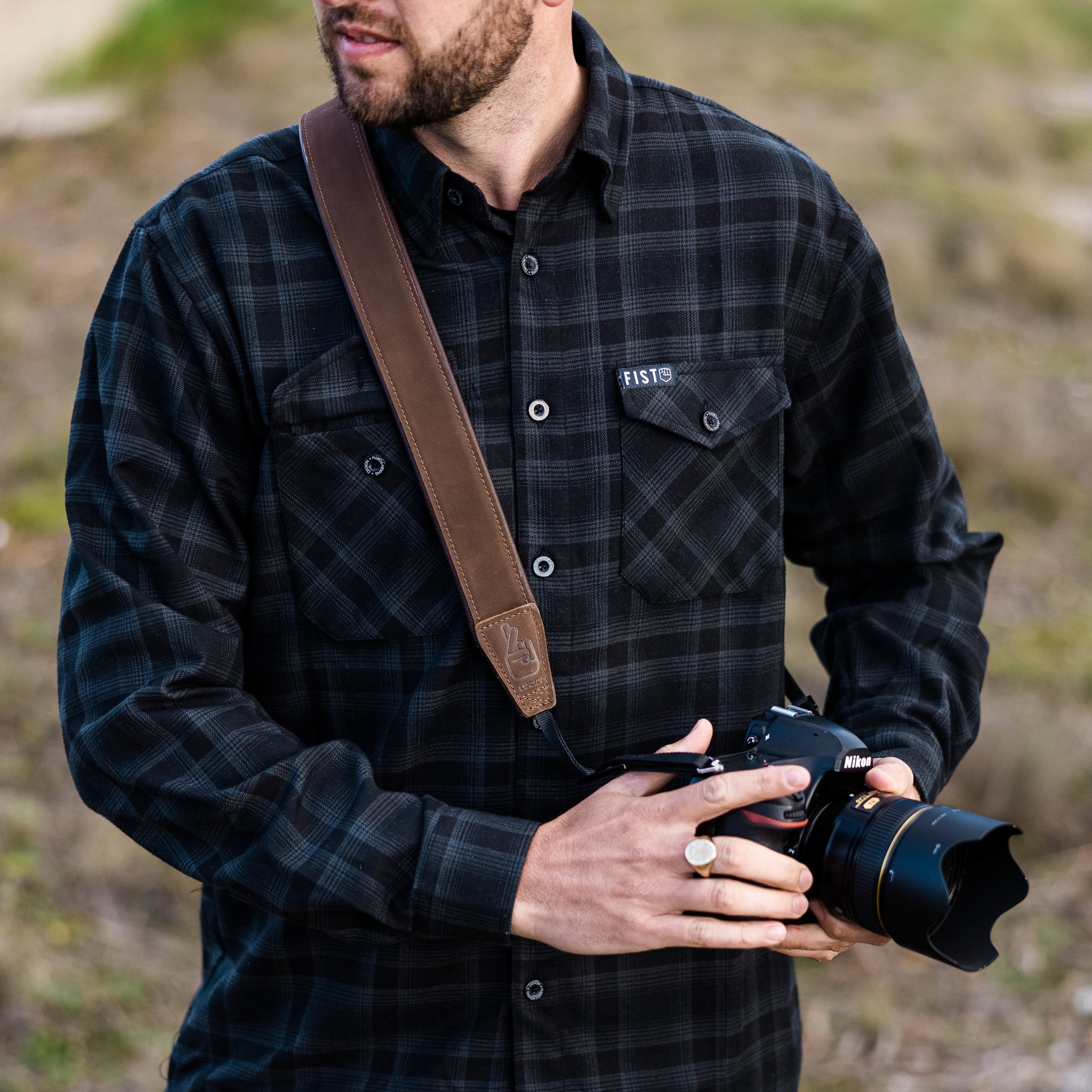
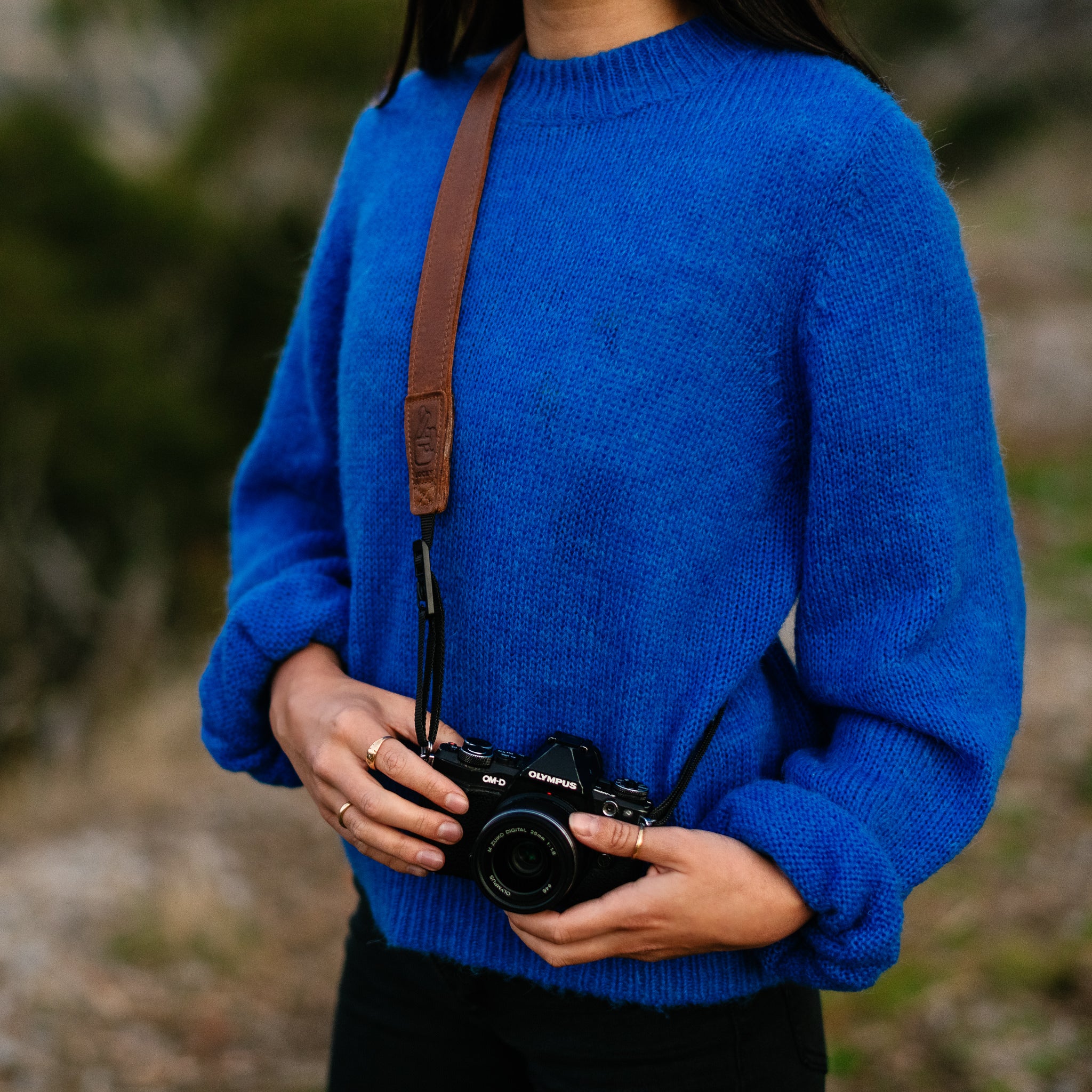
David went far deeper when he joined us on The Camera Life, from his years as a touring comedian before he ever picked up a camera to what losing a foot taught him about creativity to his latest book, Light, Space and Time. You can watch or listen to the whole conversation on YouTube, Apple Podcasts and Spotify. The show is backed by Lucky Straps, who make handmade leather camera straps in Bendigo. You will find them at luckystraps.com.